Introduction
Small furniture businesses in India struggle to build loyal customers. Many customers buy just one time, and repeat customers who buy upgrades, add-ons, or refer again, are even more rare. WoodCrafters, a small, family-owned furniture store located in Pune, was able to address customer retention by leveraging customer retention strategies, loyalty programs, electronic digital engagement, and it also listed their store on LocalShouts (https://www.localshouts.com). This case study illustrates how a small furniture business increased repeat customers by 40% and created a great relationship with its customers.
The Beginning: Challenges of a Small Furniture Store
WoodCrafters had serviced the Pune area for over 15 years and provided high-quality wooden furniture to the local population. They faced a number of challenges:
- Dependencies of repeat purchasing
- Higher competition from branded stores and online furniture platforms
- No formal and organized structured opportunity to track customers or follow-up post-purchase.
The owner, Mr. Suresh Nair, understood that customer retention could improve sales and lower dependence to acquire new customers.
Step 1: Understanding Customer Behavior
Before implementing strategies, WoodCrafters analyzed their customers:
- Who were repeat buyers and what motivated them?
- Which products had higher repeat purchase potential (like chairs, cabinets, or accessories)?
- How did customers find the store initially — word-of-mouth, walk-ins, or online searches?
This research highlighted that post-purchase engagement and personalized offers were key to repeat business.
Step 2: Collecting Customer Data
WoodCrafters began systematically collecting customer data:
- Phone numbers and email addresses at the time of purchase
- Product preferences and purchase history
- Special dates such as anniversaries, birthdays, or festival seasons
A well-maintained database allowed personalized communication, essential for loyalty-building campaigns.
Step 3: Implementing a Loyalty Program
To encourage repeat purchases, the store launched a loyalty program:
- Points system: Customers earned points on every purchase
- Redemption: Points could be redeemed for discounts, add-ons, or free accessories
- Exclusive offers: Loyalty members received early notifications about new collections
The program gave customers an incentive to return, while also tracking engagement patterns.
Step 4: Personalized Communication Through SMS and Email
WoodCrafters used a combination of SMS, email, and WhatsApp to stay connected:
- Thank-you messages post-purchase
- Alerts about new collections or limited offers
- Reminders for seasonal maintenance or product upgrades
- Personalized recommendations based on purchase history
These communications strengthened relationships and kept the store top-of-mind.
Step 5: Leveraging LocalShouts for Local Engagement
In addition to direct communication, WoodCrafters listed their store on LocalShouts (https://www.localshouts.com):
- Verified business profile with address, phone, and working hours
- High-quality photos of furniture displays and custom designs
- Reviews highlighting craftsmanship, quality, and service
- Direct messaging to answer inquiries and schedule consultations
LocalShouts helped attract new customers locally, who were then converted into repeat buyers through loyalty programs and personalized engagement.
Step 6: Offering Value-Added Services
To enhance customer satisfaction and retention, WoodCrafters introduced value-added services:
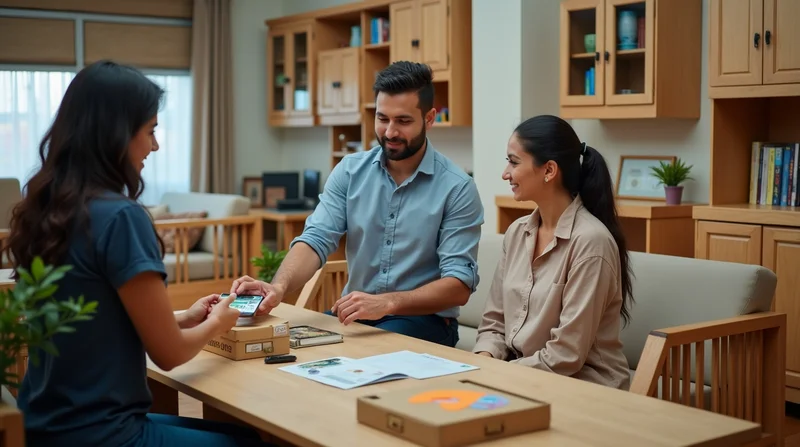
- Free home measurement and consultation
- Assembly and installation support
- Seasonal maintenance tips via SMS or social media
- Discounts on complementary products (e.g., cushions with sofas, storage accessories with cabinets)
By going beyond the basic sale, the store created trust and encouraged repeat purchases.
Step 7: Engaging Customers Through Social Media
Social media helped WoodCrafters showcase products and stay connected with customers:
- Instagram and Facebook posts of new collections, trending designs, and DIY décor tips
- Stories and reels featuring before-and-after transformations in customers’ homes
- Polls and contests to engage followers (e.g., “Vote for your favorite sofa design”)
Engaging content strengthened brand recall and encouraged repeat visits to see new collections.
Step 8: Running Targeted Promotions
Strategic promotions helped boost repeat sales:
- Festival Offers: Discounts on Diwali, Christmas, and New Year collections
- Anniversary Sales: Celebrating store milestones with exclusive deals for existing customers
- Bundle Deals: Discounts on sets of furniture to encourage additional purchases
- Referral Bonuses: Existing customers received rewards for referring friends or family
Targeted promotions leveraged loyalty while attracting new customers through referrals.
Step 9: Gathering Feedback and Improving Services
WoodCrafters actively sought feedback to refine services:
- Post-purchase surveys via SMS and email
- Incentives for reviews on LocalShouts and Google My Business
- Adjusting product offerings based on customer suggestions
- Continuous training for staff to improve customer interactions
Feedback ensured the store remained aligned with customer expectations, reinforcing trust and loyalty.
Step 10: Monitoring Metrics and Results
The store measured key performance indicators:
- Repeat Purchase Rate - 40% increase within a year.
- Customer Engagement - Increased email open rates and SMS responses.
- Referral Traffic - Steady increase of new customers referred by clients
- Overall Revenue Growth - 35% overall revenue increase from retention and sales.
WoodCrafters was able to enhance their campaigns, update their offers, and enhance their service on an ongoing basis with a data-driven approach.
Step 11: Lessons for Small Furniture Businesses
- Decipher Customer Behavior: Understand what will motivate customers to come back and make repeat purchases.
- Gather Data and Use it: Be able to provide a personal touch to emails and offers to encourage retention.
- Initiate a Loyalty Program: START rewarding customers for coming back and providing repeat business.
- Utilize Digital Platforms: Use LocalShouts to increase a local presence (https://www.localshouts.com).
- Provide Value-added Services: Providing customers with assistance after the employee sale can lead to trust and loyalty with the customers.
- Continue to Engage Customers via Social Media: Continuous content on social media keeps the business in front of customers.
- Track Metrics: tracking retention, referrals, engagement to improve strategies.
Small furniture stores can have a serious impact on repeat customers and revenue, if they implement loyalty and engagement strategies.
Conclusion
The success of WoodCrafters emphasizes that repeat customers can be a major driver of growth for small furniture businesses. Using a combination of loyalty programs, targeted outreach, value-added services, and a maintained local digital footprint with providers such as LocalShouts (https://www.localshouts.com), small stores can improve retention and referrals while growing sustainably.
The learning point: it is critical to build relationships, reward loyalty, and maintain visibility in order to obtain lifelong customers from one-time buyers.
FAQs
1. Should small furniture stores operate with repeat customers in mind?
Yes. A combination of loyalty programs, targeted outreach, value-added services, and regular engagement.
2. What role does LocalShouts provide for furniture stores?
Improves local visibility throughout the community, captures reviews, and makes it easy for customers to contact the store.
3. How often should stores be engaging with customers digitally?
Monthly updates, promotion, or reminders that will not overwhelm the client will be effective.
4. Can referral programs work for small furniture businesses?
Yes. Incentivizing existing customers who are already purchasing home furnishings is a good sustainable practice.
5. Which value added services are the best?
Home measuring, installation, maintenance tips, product bundles, and product consultations also enhance the customer experience leading to repeat visits.
6. How does a loyalty program help with retention?
Loyalty programs help customers purchase more frequently, pair items, and show appreciation.