Introduction
With people increasingly ordering from online retailers and consuming digital content, it would seem difficult to imagine how a small, independent bookstore could go viral. PageTurners, a little neighborhood bookstore in Indore, demonstrated that if you have the right combination of storytelling, digital presence, and community involvement you could make a local business a national phenomenon. PageTurners built a stop from a struggling shop to a cultural movement through creative marketing, true connections with readers, and smart use of LocalShouts (https://www.localshouts.com). This is the story of one bookstore that became trending on social media to remind us that small businesses can still create a splash when they connect directly, with authenticity, and through creativity.
The Challenge: Competing in a Digital World
When PageTurners launched in 2017, things were stacked against them.
Online giants like Amazon and Flipkart had discounts to offer that couldn't be matched by local stores.
E-books and audiobooks were diminishing the footfall of readers.
Younger readers were less interested in turning pages than they were in scrolling their phones.
Owner Ananya Verma, a devoted book lover for as long as she could remember, was not ready to throw in the towel. She maintained that there was something special about holding a book, and that people just had to be reminded.
Her quest was straightforward: to make books and reading feel fun again. But she needed to find a way to cut through the digital noise first.
Step 1: Telling a Story That People Could Feel
Ananya started with an emotional story that connected how she came to create her bookstore. Rather than her bookstore being portrayed simply as "one more store," she summarized PageTurners as: "A home for readers who believe in stories."
She posted heartfelt stories about her story: Why did she take the leap to open a bookstore, what books did she read while growing up, and the hope of keeping print books alive.
She also liked to share customer stories:
- A college student who found her confidence again through reading.
- A father who introduced his daughter to old classic Indian stories.
- A retired teacher who found literature again after many years.
Every post she writes is genuine and personal. More and more, people began to share these stories, not because of discounts, but because they felt as though they experienced something real
Step 2: Using Social Media Smartly
To reach a wider audience, PageTurners built a strong presence on Instagram, Facebook, and YouTube. But instead of generic promotional posts, they focused on emotion and creativity.
Their most viral content included:
- Book Recommendation Reels: Ananya and her staff created 15-second reels where they’d hold up a book and say, “If you loved this movie, read this book next!”
- Behind-the-Scenes Clips: Snippets of unpacking new shipments, decorating the shelves, or interacting with kids.
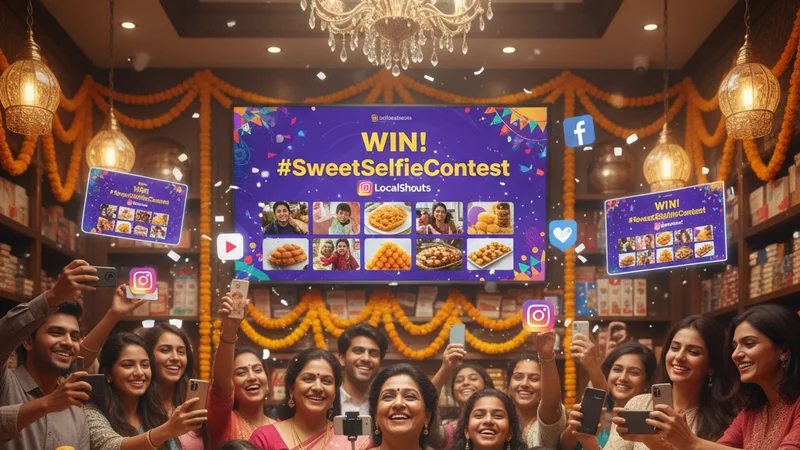
- Book Lover Challenges: They ran a #PageTurnersChallenge encourages readers to post a selfie with their favorite book and tag three friends.
Within three months, their Instagram following grew from 1,200 to 25,000, and one video—where Ananya tearfully thanked customers for “keeping stories alive”—hit 1.2 million views.
Step 3: Hosting Community Events
PageTurners evolved from a retail establishment into a community gathering place.
- Weekend Book Clubs: Every Saturday, readers would gather and talk about one book.
- Storytelling Events for Kids: Local authors and teachers participated to read to children.
- Poetry Nights: Aspiring writers got to read their poems and eat chai.
- Local Artist Exhibits: Painters and illustrators would display their art in the store.
Events were posted on LocalShouts (https://www.localshouts.com) in an effort to reach more local people searching for community experiences.
Very soon, the store was no longer just a business; it had become an entire cultural phenomenon. The photos of these community events quickly went viral on Instagram and Facebook, bringing in tourism to the store from all across the city.
Step 4: Collaborating With Influencers and Book Bloggers
Recognizing the impact of influencer marketing, Ananya engaged with local book bloggers and micro-influencers:
- Bookstagrammers would review events in the store, and highlight displays on the shelves.
- YouTube reviewers filmed vlogging experiences of "A Day at PageTurners."
- Influencers hosted giveaways to win gift vouchers for the store.
These were their influencer campaigns that were inexpensive and powerful. Collaborating with niche influencers already passionate about books, PageTurners was able to connect with the book-loving community realistically and authentically, which is what people nowadays engage with the most.
Step 5: Going Local With LocalShouts
Listing PageTurners on LocalShouts (https://www.localshouts.com) turned out to be a game-changer.
- The verified profile helped customers find the store easily on Google.
- Positive customer reviews built credibility among first-time visitors.
- LocalShouts showcased ongoing events, like “Poetry Sundays” and “Kids’ Reading Hour.”
- The listing allowed direct messaging, making it easy for customers to inquire about books or events.
Through LocalShouts, the bookstore connected with local families, schools, and working professionals who might never have discovered it otherwise.
Step 6: Running Thematic Campaigns
PageTurners created seasonal campaigns that resonated emotionally with readers:
- Valentine’s Week Campaign: “Fall in Love With Reading Again” featured romantic novels and reading gift boxes.
- World Book Day Challenge: Encouraged followers to read 10 pages daily and tag friends.
- Children’s Day Celebration: Free storybooks for kids who visited the store.
- Diwali Special: “Gift a Book, Light a Mind” campaign encouraged gifting books instead of sweets.
Each campaign combined creativity, emotion, and local relevance, drawing heavy engagement both online and offline.
Step 7: Turning Customers Into Storytellers
Ananya realized that the best promotion came from her own customers.
She encouraged visitors to share their bookstore experiences online with a branded hashtag #MyPageTurnerMoment.
- Some shared photos of cozy reading corners they created at home.
- Others posted emotional stories of how a book they found there changed their perspective.
- Parents posted pictures of kids reading for the first time.
These user-generated stories created a wave of organic marketing, reaching far beyond what paid ads could achieve.
Step 8: Using Reviews as Social Proof
The store made customer reviews central to its marketing:
- Displayed top Google and LocalShouts reviews on posters inside the store.
- Shared screenshots of heartfelt reviews on Instagram stories.
- Thanked reviewers personally with small discount coupons.
Positive reviews built immense credibility, especially among parents and older readers who valued word-of-mouth.
Within six months, PageTurners had over 450 verified reviews, making it one of the top-rated local bookstores in Indore.
Step 9: Combining Offline and Online Sales
While physical footfall grew, PageTurners also launched a simple online order system via WhatsApp and LocalShouts:
- Customers could browse book photos posted on social media.
- They could message the store directly to check availability and reserve a copy.
- The store offered free local delivery for orders above ₹500.
This hybrid model helped the store reach busy working professionals and students, who might not always visit in person but still wanted to buy locally.
Step 10: Measuring Success
After one year of executing these strategies, the results were remarkable:
- Footfall increased by 180% compared to the previous year.
- Monthly sales tripled, especially during campaign periods.
- Instagram followers crossed 60,000, with steady engagement.
- LocalShouts listing generated over 1,200 direct inquiries in six months.
- Major local newspapers featured the store’s story, further amplifying visibility.
PageTurners had become a viral local brand, driven not by ads, but by authenticity, emotion, and smart digital presence.
Lessons for Small and Micro Businesses
- Share Your Story: Customers connect with emotion, not just a product form.
- Take Advantage of Local Platforms: LocalShouts (https://www.localshouts.com) allows small businesses to reach nearby customers efficiently.
- Be Creative with Social Media: Focus on storytelling, not selling.
- Build Community: Organize events and experiences that bring people back to you.
- Encourage User Content: Customers can be your strongest advocates.
- Stay Consistent: Regular interactions build trust and momentum over time.
- Compliment Online and Offline: Offer the comfort of convenience without losing the human touch.
Even in this digital world, local ties remain the strongest form of marketing.
Conclusion
PageTurners' story shows that small bookstores can go viral by using real energy and spirit to create a focus on story telling, building community, and smartly telling that story online.
By leveraging LocalShouts (https://www.localshouts.com), collaborating with some local influences to post about the bookstore, and encouraging customers to share their stories online, PageTurners was able to not just survive, but thrive.
And, for all small business owners, remember - you don’t need a big budget to go viral; you just need a real story and a connection that can touch a few hearts.
FAQs
1. In the age of digital technology, how can small bookstores entice customers?
Small bookstores can entice customers by creating emotional connections, offering community activities, and having an active online presence via social media and LocalShouts.
2. What caused PageTurners to have a viral moment?
PageTurners went viral because its marketing centered around storytelling and community engagement versus marketing methods.
3. In what ways can LocalShouts be beneficial for local businesses like PageTurners?
LocalShouts can help improve local visibility, verified reviews, and help connect with customers in close proximity.
4. What type of social media content works best for local businesses?
Shorter reels, behind the scenes, customer stories, and community-relatable challenges seem to get the most interaction.
5. Can small businesses afford influencer marketing?
Yes! Marketing can be done through local micro-influencers or bloggers that speak to your niche audience.
6. What is the biggest takeaway for small business owners?
You don't have to compete against the big brands, just connect, and connect, and connect some more!