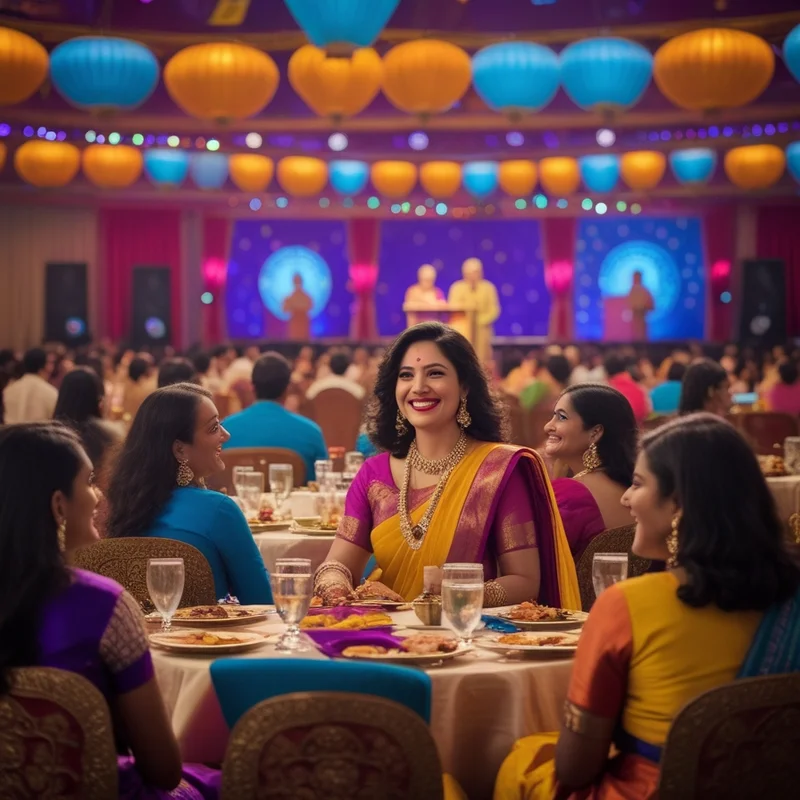
In every city and town, community spirit is what keeps people connected, supportive, and proud of where they live. From small neighborhood gatherings to larger local festivals, events play a powerful role in bringing people together. For small and micro businesses in India, community-focused events are not just about promotion—they are about building trust, belonging, and long-term relationships with the people who matter most: your local audience.
In this article, we’ll explore how you can use events to strengthen community bonds, encourage participation, and grow your brand’s goodwill. We’ll also look at how platforms like LocalShouts (https://www.localshouts.com) make it easier to organize, promote, and manage such events effectively.
Why Community Spirit Matters for Local Businesses
Community spirit isn’t just a feel-good concept—it’s the foundation of local success. When people feel connected to a place, they naturally prefer supporting local shops, cafes, and services. They trust those who contribute positively to their area.
By organizing or supporting local events, small businesses become part of something bigger than sales. They show genuine care for their neighborhood’s well-being—whether it’s by hosting a cultural event, sponsoring a charity drive, or creating spaces for learning and fun.
Community-focused events also help local economies grow. When people attend such events, they often visit nearby restaurants, buy local goods, and spread positive word-of-mouth—creating a cycle of local prosperity.
Types of Community-Building Events
There are many ways small and micro businesses can build community spirit through events, even with limited budgets. Here are a few examples suited to Indian towns and cities:
1. Cultural and Festival Gatherings
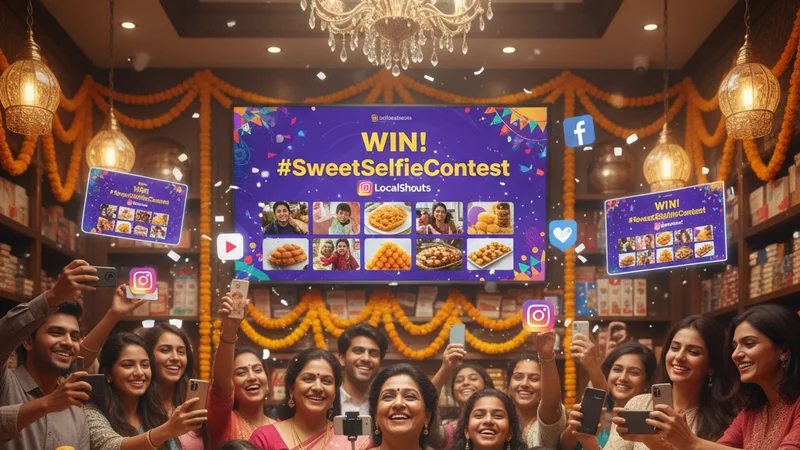
Organize or sponsor events during festivals like Diwali melas, Navratri celebrations, or Christmas fairs. These gatherings attract families and give small businesses visibility while contributing to community joy.
2. Workshops and Skill-Sharing Sessions
A bakery can host a cupcake workshop, a stationery shop can organize art sessions, or a salon can hold beauty demos. These hands-on experiences bring people together while showcasing your brand’s expertise.
3. Clean-Up or Green Drives
Join hands with residents to clean a park or plant trees in your locality. Such events reflect your brand’s responsibility and commitment to better living spaces.
4. Charity Events
Partner with NGOs or schools to collect donations, distribute food, or host awareness programs. Supporting a cause builds emotional connections and trust.
5. Community Fairs and Markets
Collaborate with other small businesses to host local fairs where everyone gets to display their products and talents. Platforms like LocalShouts (https://www.localshouts.com) make it simple to list and promote these community markets for wider reach.
Start with a Clear Purpose
Before planning any community event, define why you’re organizing it. Is it to celebrate a festival, promote sustainability, raise funds, or simply bring neighbors together?
Having a clear purpose helps in shaping your message, theme, and tone. It also gives people a reason to participate—they feel part of a meaningful cause rather than just attending another event.
For example, “Let’s clean our lake” or “Let’s support local artisans” is a stronger rallying point than “Join our weekend gathering.”
Collaborate with Local Stakeholders
Community events work best when several local groups come together. Collaborate with:
- Nearby small businesses
- Local NGOs or social organizations
- Resident welfare associations (RWAs)
- Schools, colleges, and youth clubs
- Local artists or performers
These collaborations not only share costs but also multiply your reach. Each group brings its own supporters, ensuring better attendance and engagement.
Listing such events on LocalShouts (https://www.localshouts.com) ensures that everyone involved can promote it from a single trusted platform, helping the event gain organic visibility among local audiences.
Choose an Accessible Venue
A great community event is one that everyone can easily attend. Select venues that are central, safe, and reachable by public transport.
Community halls, public parks, school grounds, or even local cafes with open spaces are ideal for small-scale gatherings.
Make sure your event space includes:
- Ramps for differently abled attendees
- Rest areas or shaded zones for seniors
- Clear signages for easy navigation
An inclusive venue helps every community member feel welcome.
Promote the Event Locally
Even the most meaningful event needs visibility. Combine both online and offline promotion to ensure everyone in your area knows about it.
Online methods:
- Post your event on LocalShouts, which helps people discover nearby gatherings easily.
- Share updates through your business’s Facebook, Instagram, and WhatsApp communities.
- Use short videos and stories to showcase preparations and invite participation.
Offline methods:
- Distribute flyers in markets, schools, and parks.
- Put up posters on local notice boards or in cafes.
- Ask local radio stations or newspapers to mention your event.
Consistency is key—start promotion at least two weeks before the event and keep posting reminders as the date approaches.
Encourage Participation, Not Just Attendance
The best community events make people feel involved. Instead of just hosting, invite others to contribute:
- Ask residents to bring homemade food or crafts for a community stall.
- Let schoolchildren perform or display art.
- Encourage local musicians or comedians to entertain the crowd.
- Create open mic or talent-sharing segments.
When people participate, they take ownership of the event’s success—and that’s what truly builds community spirit.
Add a Local Touch
Local identity is the heart of community events. Celebrate your region’s culture, language, and traditions.
Use regional music, local food stalls, or traditional decorations. Highlight stories of small businesses or artisans who represent your area’s character. This helps people reconnect with their roots and feel proud of their community.
Even your event branding—posters, banners, and digital invites—can include local phrases or designs that reflect where you’re from.
Use Technology for Better Coordination
Organizing an event can get chaotic without proper planning. Use digital tools to make things smoother:
- Google Forms for volunteer sign-ups or feedback
- WhatsApp groups for team coordination
- LocalShouts event pages for RSVPs and visibility
- Canva for designing posters and schedules
Technology ensures that communication stays clear and everyone stays informed about updates.
Recognize and Appreciate Contributions
After the event, take time to thank participants, volunteers, and sponsors. You can do this publicly on social media or privately through messages and certificates.
Recognition encourages more people to contribute next time. Share photos and highlights on LocalShouts or your own channels to keep the energy alive and inspire others to get involved in future events.
Document the Event for Future Growth
Capture photos, videos, and testimonials from attendees. This serves two purposes:
- It preserves memories of the event and strengthens community pride.
- It provides great content for promoting your future events.
Tag participants when sharing on social media—it increases reach and engagement naturally. If your event becomes an annual tradition, these memories become part of the community’s shared story.
Evaluate and Plan Ahead
Once your event concludes, gather feedback from attendees. What did they enjoy most? What could improve next time?
These insights help you refine your future plans. You can even hold a short feedback meeting with your collaborators to discuss what worked well and how to make the next event even better.
Continuous improvement shows your community that you care about their experience and opinions—further deepening local trust.
Conclusion
Building community spirit doesn’t require a huge budget—it needs intent, inclusion, and consistency. Every local event, no matter how small, is a chance to bring people closer and make neighborhoods stronger.
By organizing meaningful gatherings, collaborating with other businesses, and promoting through platforms like LocalShouts (https://www.localshouts.com), you can become a vital part of your area’s social fabric.
A connected community not only thrives together but also supports local businesses in return. When people feel a sense of belonging, they choose to spend, grow, and celebrate locally—and that’s the true power of community events.
FAQs
1. What types of events help build community spirit?
Cultural festivals, charity drives, workshops, local fairs, and social cause campaigns are great ways to bring communities together.
2. How can small businesses contribute to community events?
They can host, sponsor, or provide services at events. Even offering space, prizes, or refreshments helps build goodwill.
3. Why should I list my event on LocalShouts?
LocalShouts (https://www.localshouts.com) helps you reach real local audiences looking for events nearby, improving visibility and participation.
4. How do I attract volunteers for community events?
Reach out through RWAs, schools, and social media. Most people love contributing when they feel their effort matters.
5. Can community events help grow my business?
Absolutely. They build trust, improve your reputation, and make your brand a familiar part of the local community.
6. How often should I organize community events?
Start small—once every few months. Regular events help keep your presence alive without overwhelming your resources.