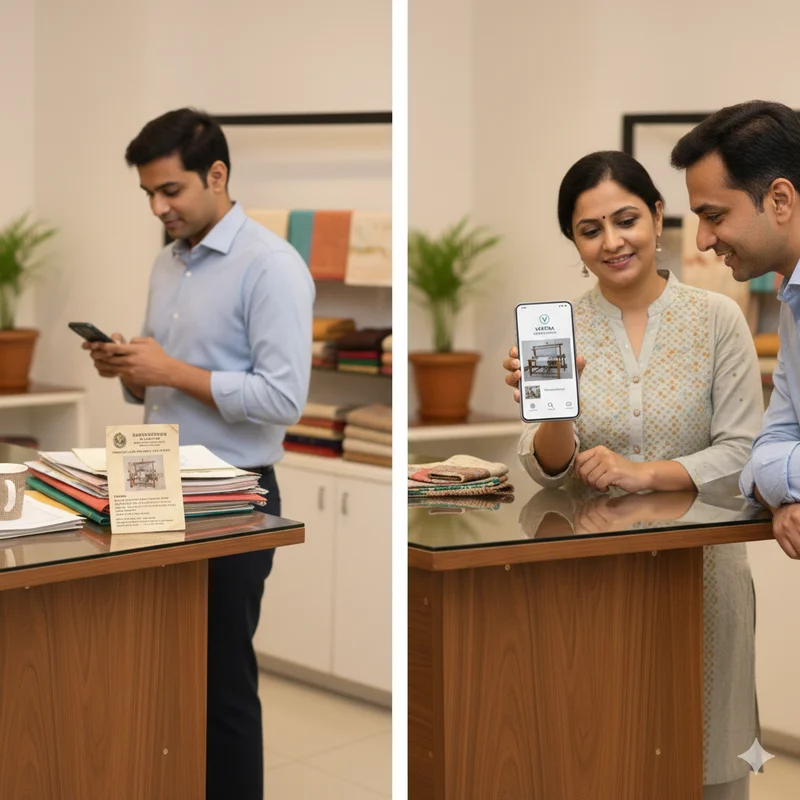
For decades, business flyers have been a common way to promote products and services. Shops, service providers, event organizers, and small businesses have relied on printed flyers to introduce themselves, explain offerings, and share contact details. While flyers once served a purpose, customer behavior has changed significantly.
Today, people live on their phones. They search, share, save, and decide digitally. In this environment, physical flyers struggle to keep up. They get misplaced, thrown away, or forgotten almost instantly. This is why digital cards have become a far better alternative for modern businesses.
Digital cards do everything flyers try to do, but in a smarter, faster, and more efficient way. They fit naturally into how customers interact today and deliver value instantly without waste or repetition.
The Design of Flyers Versus Digital Cards
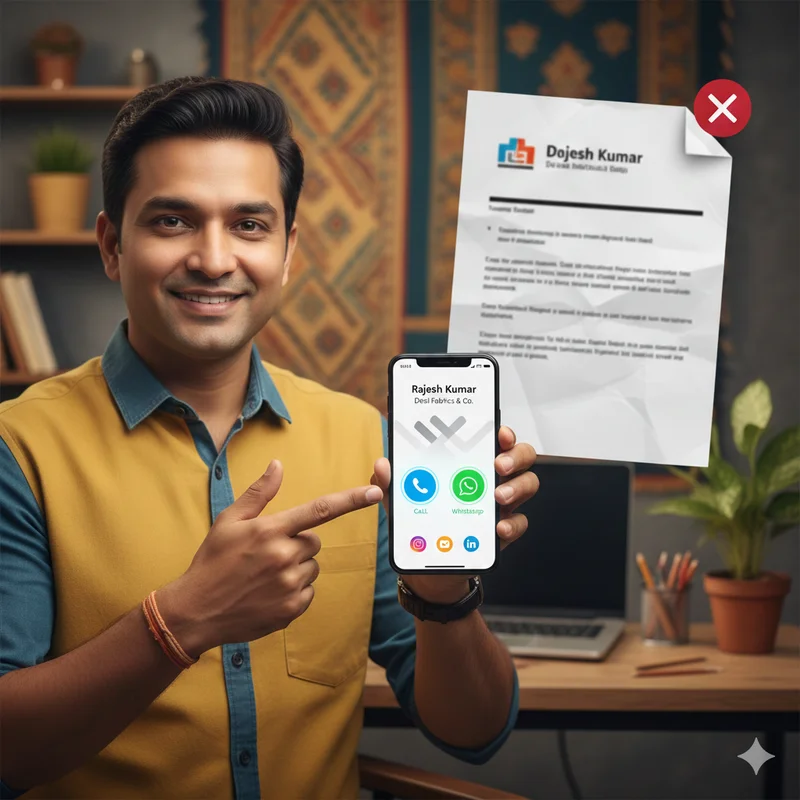
There is a significant difference between the two types of advertising: flyers are designed as static promotional pieces, and digital cards are dynamic, allowing for live updates to the customer's information. Once a flyer is printed, it cannot be changed; therefore, if your business changes any of its contact information (phone number) or any other service-related changes (new services offered), pricing updates, or hours of operation, you must either continue using an inaccurate flyer or print new ones at additional costs to your business.
On the other hand, with a digital card, you can create a link to the most current version of your card; this may be done whenever you wish. The link will allow anyone with it to view the most current version of your card and has the added benefit of all of your customers having an immediate and reliable way to access your most recent version.
Digital Cards Can Be Accessed Anytime, Anywhere
If a flyer is not present physically, it serves no purpose for the customer. Customers will often lose flyers, forget where they put them, or will throw them away unintentionally—if the customer wants to contact you in the future, he/she may not have access to the flyer anymore.
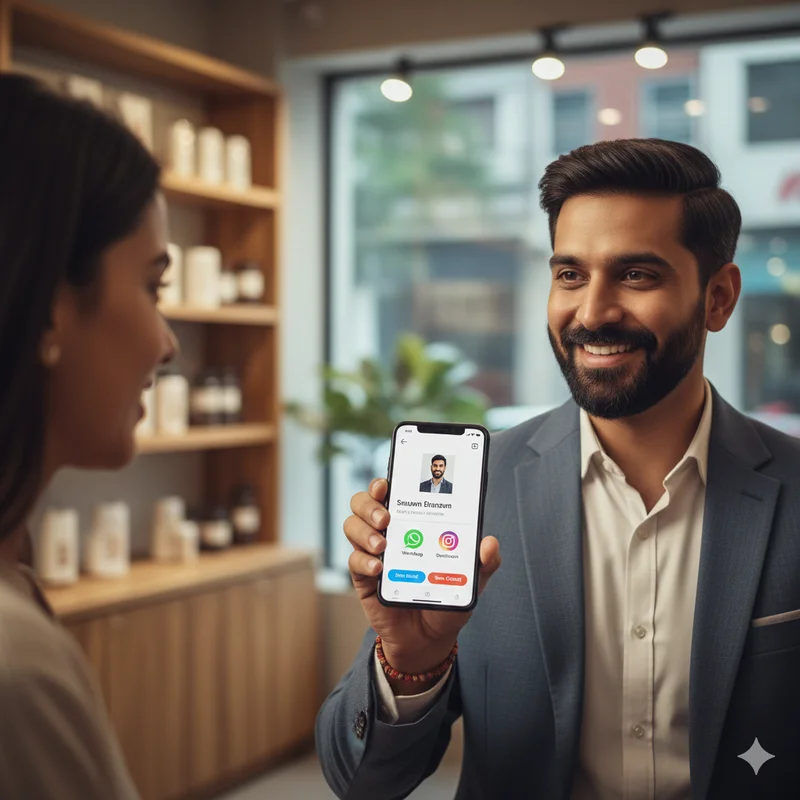
With digital cards, customers will always have access to the card on their smartphones; they can save cards, bookmark/remove them, resend cards, revisit cards, etc. This ease and ability to access over and over will greatly increase your chances of repeat business.
Flyers Create One-Time Exposure, Digital Cards Create Ongoing Value
A flyer delivers information once.
After that moment, its value quickly fades. Digital cards, on the other hand, continue working long after they are shared. Customers can return to them whenever needed.
This ongoing usefulness makes digital cards a long-term communication tool rather than a one-time promotional item.
Digital Cards Fit Modern Customer Behavior
Today’s customers prefer clickable actions.
They want to tap to call, tap to message, tap to explore. Flyers force customers to manually type numbers or remember details, which creates friction.
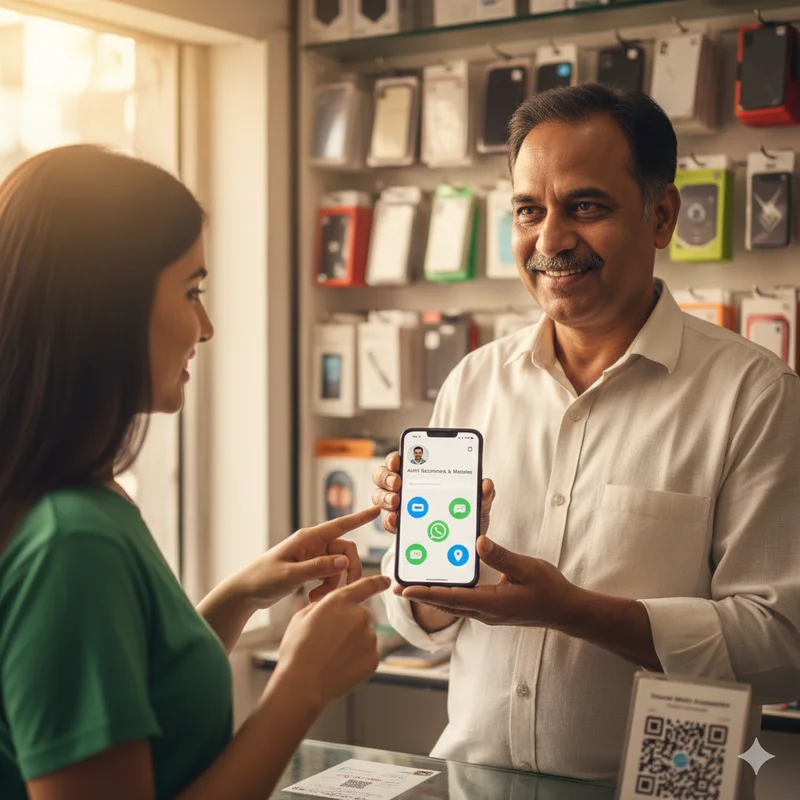
Digital cards remove this friction by allowing instant actions. This convenience improves customer experience and increases the likelihood of response.
No Printing Costs, No Waste
Flyers require design, printing, and distribution.
This not only costs money but also creates physical waste. Many flyers end up unused, making the investment inefficient.
Digital cards eliminate printing costs completely. One digital card can be shared unlimited times without additional expense. This makes them a cost-effective and environmentally friendly alternative.
Digital Cards Look More Professional
A flyer often feels promotional.
Customers may perceive it as advertising rather than information. Digital cards, however, feel more like a professional introduction.
They present business details in a structured and organized way, which builds trust faster. This professional appearance is especially important for service providers and consultants.
Easy to Share, Easy to Recommend
Flyers are difficult to share.
If someone wants to recommend your business, they cannot easily forward a flyer unless they physically hand it over. Digital cards can be shared instantly through messaging apps, email, or social media.
This ease of sharing strengthens word-of-mouth and expands reach naturally.
Digital Cards Overcome Flyer Confusion
Flyers typically attempt to cram too many words and images into a small space.
This creates a lot of clutter and confusion for the reader as they try to eliminate the clutter from their mind and focus on the important parts of the flyer.
Digital cards allow the consumer to view the paper information in a clean, scrollable format that they can explore at their own convenience without being overwhelmed by information.
More Convenient for Busy Entrepreneurs
For businesses that use flyers, creating and management of a flyer takes a lot of time and effort.
To develop a flyer, you need to have a way to design, print and distribute it. For digital cards, very little maintenance is needed and any changes can be made at any time within a short time frame.
So digital cards are perfect for busy entrepreneurs who are looking for greater efficiency at less cost.
Flyer Audience Limitation
A flyer can only reach consumers who are physically at your store.
Digital cards can be sent to anyone who has access to the internet.
Digital cards can therefore be used to promote your business beyond the typical limit of the store, and still provide local marketing benefits.
Digital cards provide you and your company with many more marketing opportunities without adding time or effort.
Digital Cards Support Analytics and Growth
Flyers provide no insight.
You never know how many people read them or acted on them. Digital cards can support tracking and optimization over time, helping businesses understand engagement better.
This data-driven advantage makes digital cards future-ready.
Flyers Age Quickly, Digital Cards Stay Fresh
A flyer looks outdated over time.
Colors fade, designs become old-fashioned, and information becomes irrelevant. Digital cards stay fresh because they can be updated and refined continuously.
A fresh appearance helps businesses stay relevant.
Digital Cards Strengthen First Impressions
First impressions matter.
Handing over a flyer feels transactional. Sharing a digital card feels modern and confident. Customers associate digital clarity with professionalism.
This stronger first impression improves trust instantly.
Better for Networking and Referrals
Networking situations move fast.
Carrying flyers everywhere is impractical. Digital cards can be shared instantly during conversations, events, or follow-ups.
This flexibility makes networking more effective.
Flyers Depend on Memory, Digital Cards Reduce It
Flyers rely on customers remembering to act.
Digital cards reduce memory dependency by staying accessible on the phone. Customers can act when they are ready, not when they happen to remember.
This increases conversion chances.
Conclusion
Business flyers served their purpose in a different time. Today, they struggle to match how customers discover, evaluate, and connect with businesses.
Digital cards are better than business flyers because they are flexible, accessible, cost-effective, and aligned with modern behavior. They reduce confusion, improve customer experience, and continue working long after they are shared.
For businesses that want efficiency, professionalism, and long-term value, digital cards are not just an alternative to flyers. They are a clear upgrade.
FAQs
1. Are digital cards better than printed flyers?
Yes, they are more accessible and flexible.
2. Do digital cards save costs?
They eliminate printing and reprinting costs.
3. Can digital cards replace flyers completely?
For most businesses, yes.
4. Are digital cards easy to share?
They can be shared instantly through links.
5. Do digital cards improve customer response?
They make taking action easier.
6. Are digital cards suitable for local businesses?
They are ideal for local and service-based businesses.