Introduction
Indian small and micro businesses have one special challenge: bringing in new clients with a small advertising budget. From a Pune café to a Jaipur home tailoring shop to a Delhi neighborhood stationery store, word-of-mouth is still one of the most influential forms of marketing.
Referral marketing—getting current customers to bring in new customers—is an old practice that has transitioned nicely to the digital age. It draws on trust, social validation, and reward to fuel growth organically. Used well, it acquires new customers as well as deepens connections with existing customers.
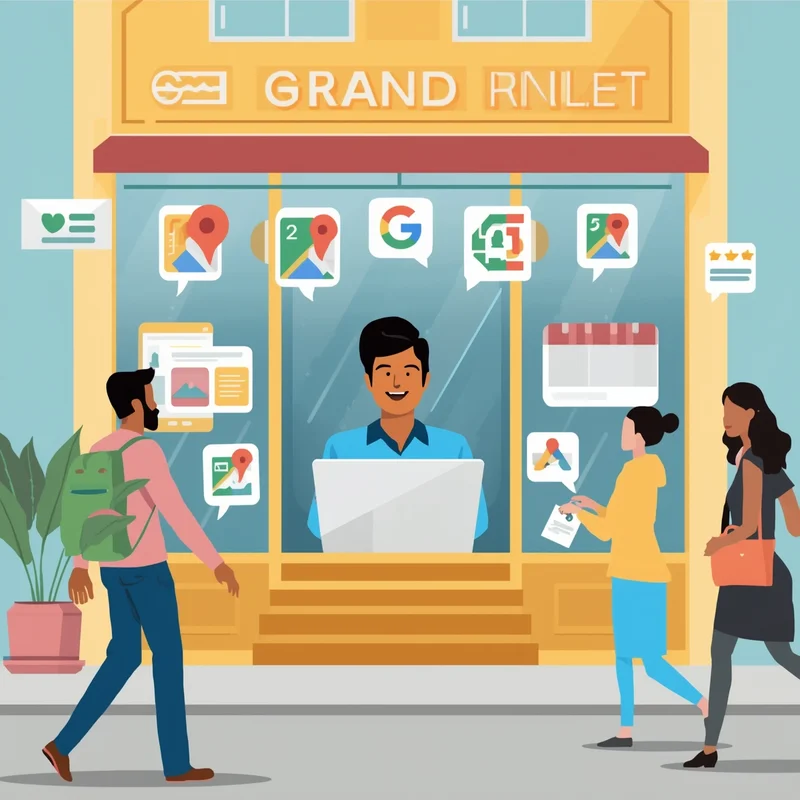
With the current digital era, small businesses can leverage the power of referrals using websites such as LocalShouts (https://www.localshouts.com), social media, and Google My Business, converting happy customers into brand advocates and fueling sustainable growth.
What is Referral Marketing?
Referral marketing is a tactic that invites your current customers to suggest your products or services to their friends, relatives, and colleagues. In other words, it's "if you like it, tell someone you know".
Unlike paid advertising, referral marketing is based on trust. Individuals are much more likely to give a product or service a try when referred by someone they know than by a company they've never dealt with before.
For small companies, this trust-based promotion is particularly effective because:
- It is inexpensive to carry out.
- It takes advantage of existing satisfied customers.
- It establishes credibility and social proof organically.
Why Referral Marketing Works for Small Businesses
Referral marketing works for several important reasons:
- Trust Factor: Referrals from friends and family members have much greater influence than advertising.
- Cost-Effectiveness: You don't have to pay thousands for advertising; satisfied customers are your word-of-mouth advertisers.
- Higher Conversion Rates: Referral leads are more likely to convert since they are pre-qualified.
- Community Engagement: Local neighborhoods tend to patronize small businesses. Referral marketing leverages these close-knit communities.
- Long-Term Loyalty: Referring customers are usually more active and loyal to your company.
Example: A Nashik bakery providing a marginal discount as referral reward might discover that loyal customers bring in their family and friends, increasing sales and traffic without additional advertising expenses.
Types of Referral Marketing Programs
Small businesses can apply a number of referral methodologies based on their objectives and budgets:
1. Customer-to-Customer Referrals
This is the old school model: a satisfied customer refers someone to your business, usually motivated by discounts, free stuff, or loyalty points.
Example: "Refer a friend and receive 10% off your next order."
2. Employee or Partner Referrals
Your employees or local partners can be used to create word-of-mouth. Employees who are enthusiastic about your products or services become natural ambassadors.
3. Digital Referral Programs
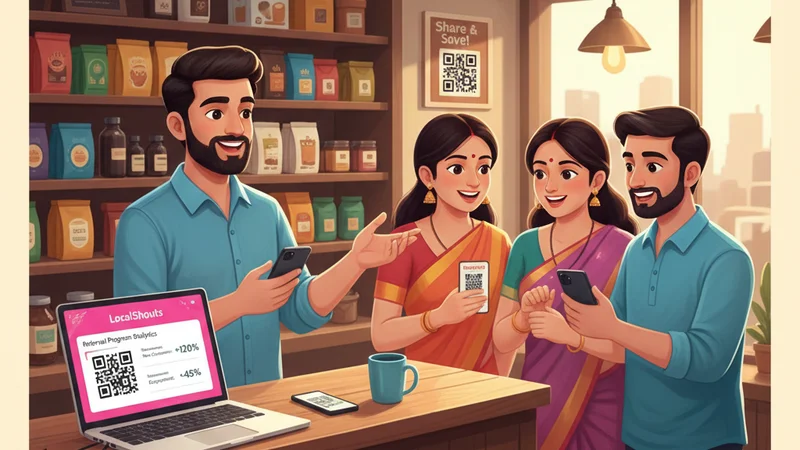
Online platforms allow it to be simple to monitor referrals using links, QR codes, or special codes passed along by customers. LocalShouts (https://www.localshouts.com) can be used by small businesses to launch online referral campaigns both for local and broader audiences.
4. Event-Based or Community Referrals
Connecting referrals to neighborhood events or community gatherings can be successful. For instance, hosting a school festival or event and inviting guests to bring a friend can create word-of-mouth buzz and bring in local traffic.
How to Use a Referral Program
Creating an effective referral program requires solid planning and careful execution. These are the important steps:
1. Identify Your Goals
Do you need to drive more foot traffic, create online leads, or sell more products? Knowing your objectives will ensure the proper referral strategy is created.
2. Establish Rewards and Incentives
Rewards need not be costly. Small discounts, complimentary products, loyalty points, or VIP access can encourage referrals.
3. Keep It Easy to Refer
Make it easy for your customers. Offer shareable links, QR codes, or referral cards. The simpler it is, the higher the participation.
4. Advertise Your Program
Employ multiple channels: SMS messages, social media, email newsletters, and your LocalShouts listing (https://www.localshouts.com). Make the benefits to the referrer and referee clear.
5. Monitor and Reward Participation
Keep an eye on who refers to whom and make sure rewards are given in a timely manner. Transparency and trust help bring in even more referrals.
6. Involve and Thank Referrers
Nothing goes farther than a thank you. Public acknowledgment or public praise through social media or LocalShouts serves to reinforce good behavior and motivate others to join in.
Digital Tools That Support Referral Marketing
Small businesses can amplify their referral programs using digital tools. These tools make it easier to track, automate, and scale campaigns without needing a large marketing team.
1. LocalShouts (https://www.localshouts.com)
LocalShouts allows local businesses to create verified listings, display customer reviews, and promote offers. By linking your referral program to your LocalShouts profile, customers can share your business easily with their network.
2. Google My Business
Encourage satisfied customers to leave reviews on Google My Business. When they refer friends, new customers can verify your credibility and make informed decisions.
3. Social Media Platforms
Facebook, Instagram, and WhatsApp are ideal for sharing referral links or codes. Small businesses can post updates, create contests, or share customer testimonials to encourage referrals.
4. SMS and WhatsApp Marketing
Direct messaging can notify loyal customers of a referral program and facilitate sharing with friends and family.
The Psychology Behind Referrals
Why referrals work can be understood by examining human psychology:
- Trust: Individuals place greater trust in recommendations from friends and family than advertisements.
- Reciprocity: Incentives make the parties feel mutually benefited.
- Social Proof: When others witness referrals taking place, they are more apt to get involved.
- Sense of Belonging: Consumers feel like they belong to an insider group or community when they engage in referrals.
It is possible for small businesses to utilize these psychological drivers by rewarding, socializing, and communifying referrals.
Best Practices for Small Business Referral Programs
1. Make it Simple
Multistep or complicated rules discourage participation. Keep the referral process simple.
2. Be Transparent
Make clear how rewards are earned, redeemed, and accounted for.
3. Use Customer Stories
Emphasize success stories or testimonials from happy customers to induce sign-ups.
4. Blend Online and Offline Strategies
Employ in-store signage, flyers, and receipts as well as digital campaigns to reach as many customers as possible.
5. Measure Results and Refine
Monitor referral sources, engagement, and conversions. Refine campaigns based on what performs best.
Challenges and How to Overcome Them
Despite the effectiveness of referral marketing, small businesses are confronted with the following challenges:
- Limited Reach: Get customers to share online or via LocalShouts (https://www.localshouts.com) to increase your reach.
- Tracking Referrals: Monitor and reward referrals with digital tools or individual codes for ease.
- Low Engagement: Offer incentives and a simple process. Gain feedback to increase participation.
With proper planning, all of these challenges can be simply overcome, making referral marketing a low-cost, high-impact means of expansion.
Case Study: A Local Success Story
One small coffee shop in Gurgaon had a referral program that gave each referred friend a free coffee. They advertised it using:
- WhatsApp messages to loyal customers
- Flyers in-store
- Their LocalShouts (https://www.localshouts.com) page
In three months, traffic improved by 30%, repeat business improved, and a few customers turned into brand ambassadors, writing reviews and sharing their experiences on the Internet. This inexpensive, straightforward tactic produced quantifiable results in terms of revenue and brand awareness.
Measuring the Success of Referral Programs
To gauge whether your referral program is successful, monitor these measures:
Number of Referrals: The number of new customers by way of referrals.
Conversion Rate: The number of referred leads that made purchases.
Customer Retention: Are referred customers loyal compared to non-referred ones?
Program Participation: Percentage of current customers actually referring to others.
Revenue Impact: Direct impact of referral marketing on sales.
These metrics help refine your strategy and identify which rewards or methods are most effective.
Conclusion
Referral marketing is still one of the most cost-effective and reliable methods for small and micro firms in India to expand. By inviting happy customers to tell their story, providing substantial incentives, and integrating offline methods with online tools such as LocalShouts (https://www.localshouts.com) and Google My Business, small businesses can achieve high growth without a big ad budget.
Essentially, satisfied customers are your best advertisers. Encouraging those relationships and making it convenient for them to introduce others can turn a small business into a successful local brand.
Referral marketing isn't merely about acquiring new customers—it's about establishing a loyal community around your business, where each referral reinforces trust and fuels long-term growth.
FAQs
1. What is referral marketing for small businesses?
Referral marketing is getting current customers to recruit new customers, usually rewarded with discounts, freebies, or loyalty points.
2. How do small shops initiate a referral program?
Define aims, provide transparent incentives, make it simple to refer, promote through SMS, social media, or LocalShouts (https://www.localshouts.com), and monitor results.
3. Are referral programs affordable?
Yes, they usually cost less than paid advertising and tap into existing satisfied customers to fuel growth.
4. Can referrals be enhanced with digital tools?
Yes. Sites such as LocalShouts, Google My Business, social media, and WhatsApp facilitate easier sharing and monitoring of referrals.
5. How do I encourage customers to refer?
Provide incentives, promote social proof, and make the process easy.
6. How do I know if my referral program is successful?
Monitor the number of referrals, conversion ratio, customer retention, program engagement, and revenue increase.