Introduction
In the competitive and vibrant food industry, whether you own a café or a fine dining restaurant, there are a myriad of ways to attract new customers. One of the most effective yet underrated marketing strategies is hosting a food-tasting event.
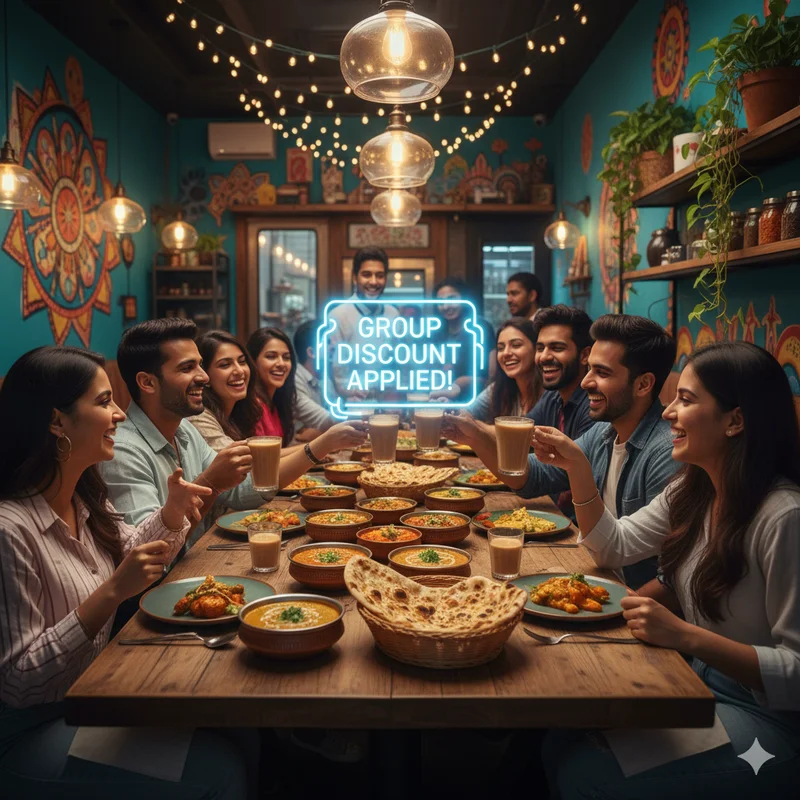
Food-tasting events are not simply an opportunity to provide guests with samples of your delicious food and drinks; they are an opportunity for your customers to create experiences that not only add value to your brand, but allow you to develop community engagement and transform once-curious visitors into "fans" or "raving fans" who may return or tell others about your restaurant.
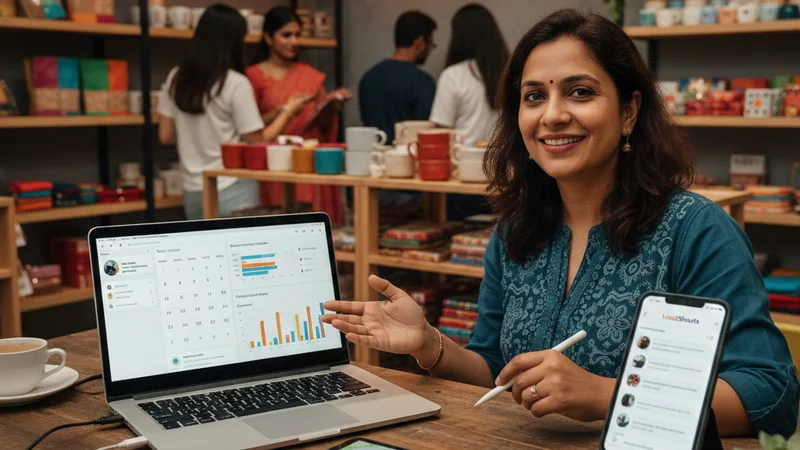
Food tasting events create excitement both in person and online, driving visitor traffic to your restaurant. Your event itself can serve as a "virtual storefront" (if done the right way) that provides an opportunity for additional food lovers to discover your restaurant to engage, when they plan their next meal. If you decide to use some sort of digital marketing platform, something like LocalShouts (https://www.localshouts.com), can help promote your event, engage with food lovers in your local area and connect your restaurant with other potential partners and/or influencers.
Therefore, this handbook will cover all that you need to know for preparing, promoting, executing, and following up with your successful food-tasting event.
1. Define Your Objective
Before you start planning, clarify why you’re hosting the event. A clear objective helps you shape the entire experience.
Common goals include:
- Launching a new menu or signature dish.
- Introducing your restaurant to a new audience.
- Testing recipes before a full-scale rollout.
- Strengthening relationships with loyal customers.
- Collaborating with local influencers or food bloggers.
For example, a café might host a tasting to introduce a new range of organic coffees, while a restaurant might use it to promote its farm-to-table menu.
Tip: Keep your event focused — one core theme always works better than a scattered lineup.
2. Select a Theme That Embodies Your Brand
A defined theme will help create a consistent and unforgettable experience. The theme can represent your restaurant’s character, style of cuisine, or philosophy.
Here are some options for themes:
- Seasonal Tasting: “Flavors of Winter,” which uses seasonal vegetables.
- Regional Focus: “Season of South Indian Cuisine” or “Delhi Street Food Evening.”
- Fusion Concept: “East Meets West” tasting event.
- Health and Wellness: “Low-Calorie Gourmet Night.”
- Ingredient Focus: “The Mango Menu” or “Spices of India.”
A well-defined theme will not only help excite guests but also make marketing and decorating your venue significantly simpler.
3. Strategically Plan the Menu
A tasting menu should showcase your best dishes, and each dish should be a small portion. Tasting menus are a selection of your actual dining experience, and every bite counts.
Menu Planning Suggestions:
- Offer 5–7 small tasting items.
- Include some of your signature dishes and experiment with new dishes.
- Ensure there are vegetarian and non-vegetarian options.
- Offer small servings with big flavor.
- Conclude with a special dessert item or unique beverage.
Example:
For instance, a restaurant in Delhi, created a tasting menu entitled “Mini Delhi Bites” with golgappas, kebab sliders, and kulfi shots in bite-sized portions, which are all popular dishes.
4. Select the Right Venue and Setup
If your restaurant space is limited, consider nearby options like open terraces, community halls, or co-working spaces that match your theme.
Ambience Tips:
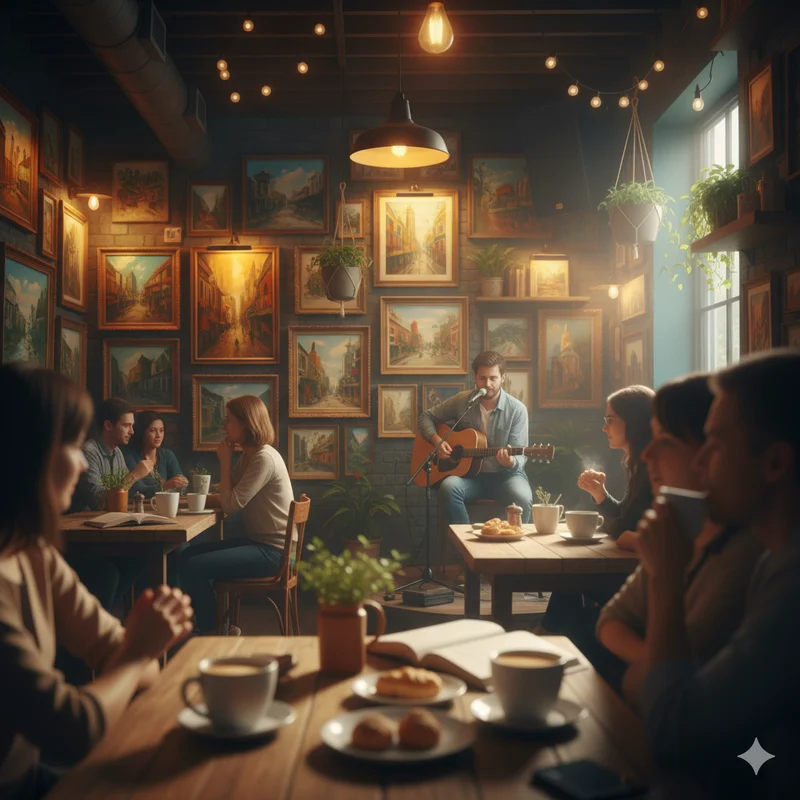
- Use subtle lighting and music to create a welcoming vibe.
- Add live cooking or plating counters for engagement.
- Provide branded table cards explaining each dish.
Pro Tip: Use sustainable cutlery and minimal waste practices — customers notice and appreciate eco-conscious details.
5. Invite the Right Audience
Who you invite can make or break the event’s success. A balanced guest list ensures both visibility and conversion.
Invite:
- Loyal customers (as a thank-you gesture).
- Local influencers and food bloggers.
- Journalists or lifestyle reporters.
- Potential corporate clients or event planners.
- Nearby business owners and community figures.
To make invitations more effective, list your event on LocalShouts (https://www.localshouts.com) — where local audiences actively discover community events, restaurants, and experiences.
6. Promote the Event Effectively
Promotion is what turns your tasting event into a crowd-puller. Use both online and offline channels for maximum reach.
Digital Promotion Ideas:
- Create a short teaser video showing menu highlights.
- Post countdowns on Instagram Stories and Facebook.
- Use email newsletters to invite your regular customers.
- List your event on LocalShouts and local food directories.
- Partner with micro-influencers who can share behind-the-scenes content.
Offline Promotion Ideas:
- Distribute flyers to nearby offices, gyms, and colleges.
- Collaborate with local radio or community centers.
- Offer early-bird registration discounts or limited seats.
7. Train Your Staff for the Event
Your team is the backbone of a successful food-tasting event. Every staff member should understand the flow, the dishes, and the event’s purpose.
Staff Preparation Tips:
- Conduct a tasting session for your servers before the event so they can confidently describe each dish.
- Train them to engage guests politely, take feedback, and encourage social sharing.
- Have a few team members dedicated to managing check-ins, photos, and live updates on social media.
8. Promote Live Engagement
Your event won’t just be about tasting, it’ll create a digital buzz.
Encourage guests to:
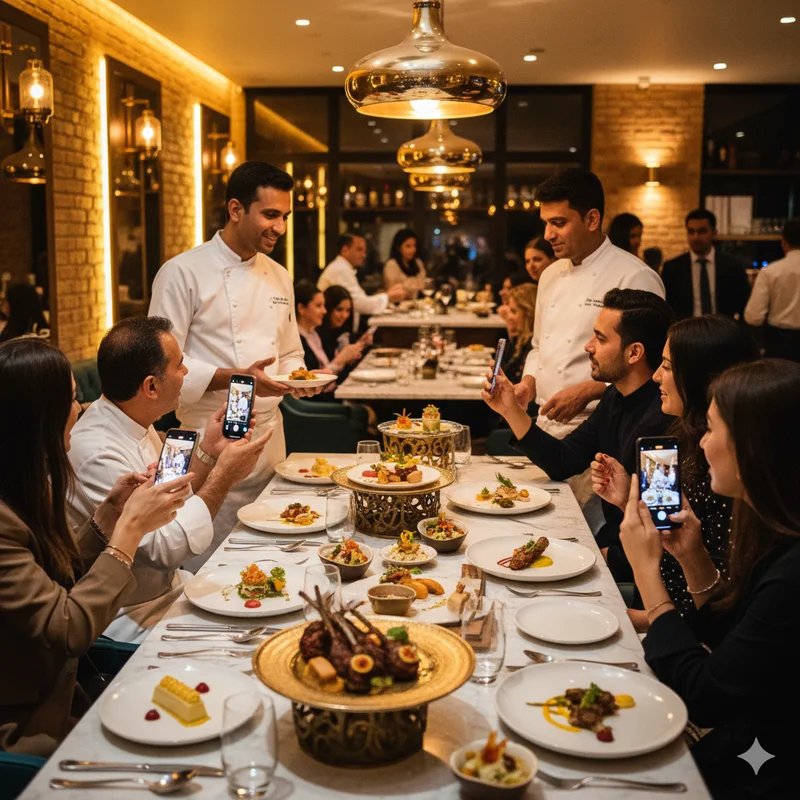
- Post Instagram stories or reels using the event hashtag.
- Tag your restaurant. Instagram and Facebook.
- Write/post live feedback via QR code forms.
- Engage in mini-contests like “Best Food,” etc.
Consider a branded backdrop or photo area available for guests to snap pictures. This will allow the event content to extend beyond just the event and reach a larger audience.
Pro Tip: Offer a small reward such as a discount or a complimentary dessert or beverage to guests who post about their experience at the event.
9. Gather Feedback and Insights
Feedback is invaluable. This tasting event is an opportunity to see and experience firsthand the direct and honest engagement before launching any new items or menus.
Make feedback easy:
- QR code with link to Google Form.
- Printed cards with a simple rating system.
- Short survey via WhatsApp after the event.
You may ask your participants questions like:
- What dish did you like best?
- Would you order this again?
- How did you like the ambiance?
- Any recommendations to improve?
This feedback will help you optimize the menu and next event details.
10. Follow Up After the Event
Your event doesn’t end when guests leave — the real marketing begins afterward.
Post-Event Strategies:
- Send thank-you messages with photos from the event.
- Share highlights and testimonials on social media.
- Offer attendees exclusive discounts for their next visit.
- Encourage reviews on Google, Zomato, or LocalShouts.
- Tag participants and repost their stories to keep the momentum going.
Example:
A Bangalore restaurant gained 1,500 new followers within a week after reposting guest stories and thanking attendees by name.
11. Partner With Local Businesses
Collaborate with nearby brands to make your event more appealing and cost-effective.
You could partner with:
- A local bakery for desserts.
- A coffee roaster for beverages.
- A florist for décor.
- A local influencer group for promotions.
These collaborations expand your reach and reinforce your restaurant’s image as a community-driven brand — something platforms like LocalShouts help promote effectively.
12. Measure Your Event’s Success
Track your outcomes to understand how well your event performed. Key metrics to measure include:
- Number of attendees.
- New social media followers.
- Engagement rates on posts.
- Customer inquiries and reservations after the event.
- Feedback scores and online reviews.
The data will help you plan better for future events and calculate the ROI of your marketing efforts.
13. Make It a Regular Experience
If your tasting event was successful, make it part of your annual or seasonal calendar.
You could host:
- Quarterly tasting nights for new dishes.
- Exclusive invite-only previews for loyal customers.
- Community food fests with other local restaurants.
Consistency helps build anticipation and turns your event into a signature experience that keeps customers coming back.
Conclusion
A food-tasting event isn’t just about serving small bites — it’s about telling your story, building connections, and creating long-lasting brand impressions.
By thoughtfully planning your theme, engaging your guests, and promoting it strategically through digital platforms like LocalShouts (https://www.localshouts.com), your restaurant can gain massive visibility and reputation in the community.
In today’s food landscape, people don’t just eat — they seek experiences worth sharing. Hosting a memorable tasting event is your perfect chance to turn delicious food into powerful marketing.
FAQs
1. Why should restaurants host food-tasting events?
They help attract new customers, test new menus, and create social buzz that improves brand visibility.
2. How can I promote my food-tasting event effectively?
Use Instagram, Facebook, email newsletters, and event listing platforms like LocalShouts to reach a targeted local audience.
3. What’s the ideal number of dishes for a tasting menu?
Typically, 5–7 small portions are enough to give guests a satisfying and varied experience.
4. Should food-tasting events be free or paid?
You can offer free invitations for select guests (influencers, media) and charge a small fee for general attendees to ensure commitment.
5. How can I measure the success of the event?
Track footfall, feedback, social media mentions, and post-event sales growth to assess impact.
6. Can small restaurants host tasting events too?
Absolutely. Even small cafés or home-based chefs can organize intimate tastings with proper planning and promotion.