Introduction
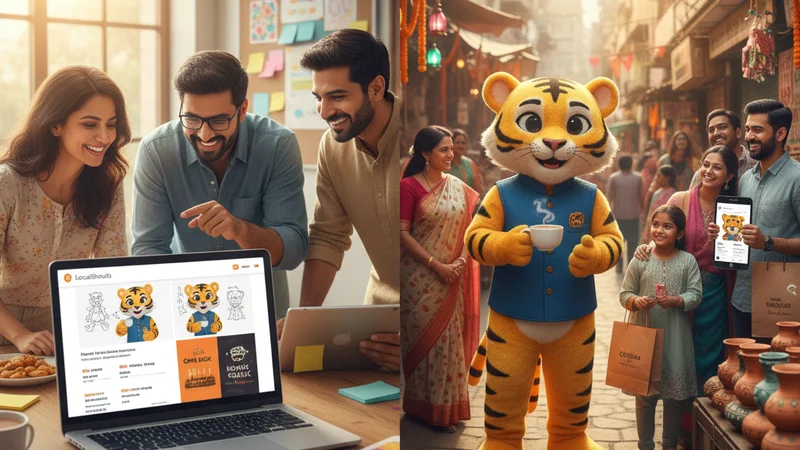
A memorable brand is more than just a logo or an attention-grabbing tagline in the cutthroat market of today. A brand mascot can serve as the public face of small and micro businesses in India, assisting clients in identifying, remembering, and relating to your company right away. Your brand's personality, whether it be humorous, professional, amiable, or eccentric, can be visually and emotionally represented by a mascot.
Developing a brand mascot can help your company stand out, increase engagement, and foster loyalty, whether it's a neighborhood café in Pune or a boutique in Jaipur. Websites such as LocalShouts (https://www.localshouts.com)allow small companies to display their mascots alongside goods and services, strengthening ties with local customers.
The steps involved in developing a memorable brand mascot, its advantages, and how to successfully incorporate it into your branding and online presence will all be covered in this article.
Why Brand Mascots Matter
Brand mascots are powerful tools for several reasons:
- Instant Recognition: Mascots make your brand easily identifiable, even in crowded markets.
- Emotional Connection: Characters create personality and empathy, helping customers relate to your brand.
- Storytelling: Mascots can be used in campaigns, social media, and content marketing to tell your brand’s story.
- Versatility: Mascots can appear on packaging, advertisements, websites, social media, and even in events.
- Memorability: Humans remember characters better than logos alone. A well-designed mascot can become the face of your business for years.
For Indian small businesses, mascots offer a fun and approachable way to engage customers while reinforcing brand values and identity.
Step 1: Define Your Brand Personality
Before designing a mascot, you must clearly define your brand personality. Ask yourself:
- Is my brand playful, serious, professional, or quirky?
- Who is my target audience, and what do they relate to?
- What emotions do I want my brand to evoke?
For example:
- A home bakery in Kochi might adopt a cheerful, friendly mascot to reflect warmth and homeliness.
- A boutique selling handcrafted jewelry in Jaipur may opt for a sophisticated and elegant mascot to reflect artistry and luxury.
Understanding your brand personality ensures your mascot aligns with your identity and resonates with your audience.
Step 2: Identify Your Target Audience
A mascot should appeal directly to your target audience. Consider demographics such as age, location, preferences, and cultural context.
- Children and Families: Friendly, colorful, animated characters work well for family-oriented businesses.
- Young Adults: Trendy, playful, or humorous mascots appeal to a younger demographic.
- Professionals: Sleek, modern, or minimalistic mascots may resonate more with a corporate audience.
For local Indian markets, cultural relevance is key. Mascots should reflect local values, humor, or aesthetics that your audience can relate to.
Step 3: Choose a Mascot Type
There are several types of mascots you can consider:
- Human Characters: Represent a friendly guide or persona of your brand.
- Animal Characters: Often relatable, cute, or symbolic (e.g., elephants for wisdom, lions for strength).
- Anthropomorphized Objects: Giving personality to everyday items can make your brand playful and memorable.
- Fantasy or Mythical Creatures: Unique and imaginative mascots can create buzz and stand out.
Choose a type that aligns with your brand personality and audience expectations.
Step 4: Design Your Mascot
Design is critical. A memorable mascot should be:
- Simple: Avoid overly complex designs; simplicity ensures recognition.
- Unique: Stand out from competitors to make your mascot instantly identifiable.
- Versatile: Ensure the mascot works in various formats—digital, print, and merchandise.
- Expressive: Facial expressions, gestures, and poses should convey the intended personality.
- Consistent with Brand Colors and Style: Incorporate your brand’s visual identity for cohesion.
For Indian small businesses, hiring a local illustrator or designer familiar with cultural nuances can help create a mascot that truly resonates.
Step 5: Develop a Backstory
A backstory gives your mascot depth and personality. Consider:
- Where does the mascot come from?
- What are its traits, habits, and quirks?
- How does it represent your brand values?
For example:
- A café mascot could be “Chai Chotu,” a playful character who loves brewing unique tea blends.
- A boutique mascot might be “Rakhi the Weaver,” reflecting craftsmanship and heritage.
Stories make mascots relatable and allow customers to form emotional connections with your brand.
Step 6: Integrate Mascots into Your Brand Presence
A mascot is only effective if it’s visible and consistently used across all touchpoints:
Websites
- Feature the mascot on your homepage, product pages, or about section.
- Use animations or interactive elements to engage visitors.
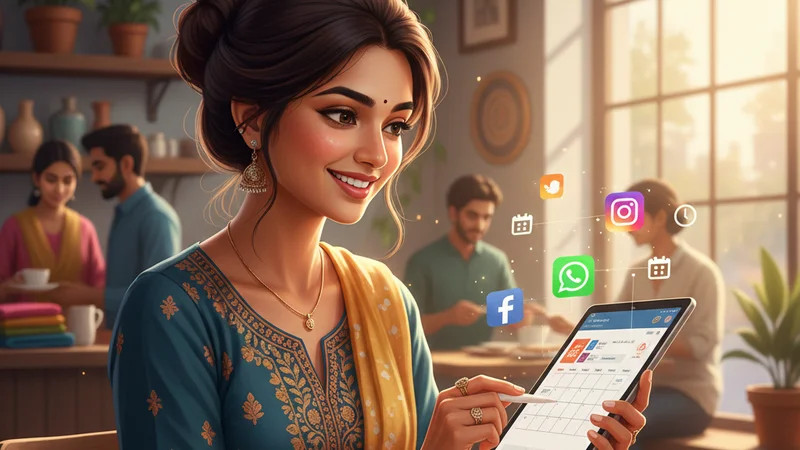
Social Media
- Create posts, stories, or reels featuring the mascot.
- Use it for promotions, seasonal campaigns, or tutorials.
Google My Business
- Include the mascot in profile photos, posts, or banners to reinforce brand identity locally.
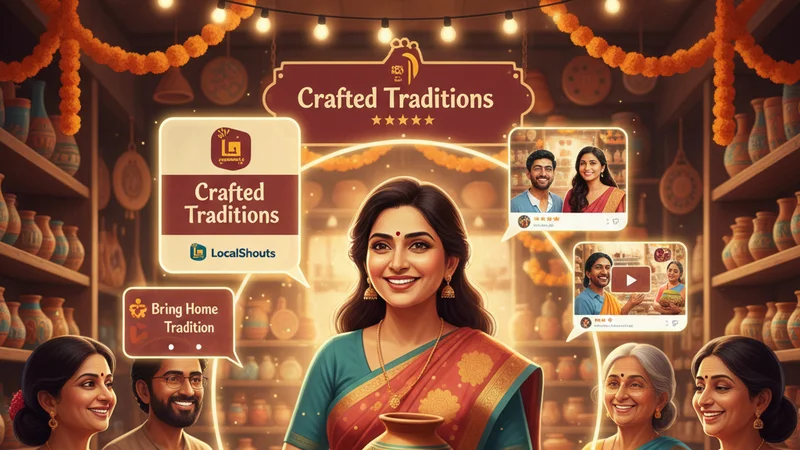
LocalShouts
- LocalShouts (https://www.localshouts.com) is ideal for showcasing your mascot in product posts, promotions, or customer stories. Visual presence on a local platform strengthens brand recall and engagement.
Offline Presence
- Mascots can appear in signage, packaging, business cards, merchandise, and events to make the brand more memorable.
Step 7: Use Mascots for Storytelling and Marketing Campaigns
A mascot can amplify marketing campaigns:
- Promotions and Offers: Create themed campaigns with your mascot as the spokesperson.
- Customer Engagement: Encourage customers to interact with the mascot in contests, photo ops, or social media challenges.
- Brand Education: Use mascots to explain products, services, or processes in a friendly, engaging way.
- Community Involvement: Feature the mascot in local events, fairs, or charity activities to strengthen local connections.
By integrating mascots into storytelling, businesses can humanize their brand and build lasting connections.
Step 8: Gather Feedback and Refine
Even after launching your mascot, continuous improvement is essential:
- Monitor customer engagement and social media response.
- Gather feedback from local customers or focus groups
- Make small adjustments to design, behavior, or messaging based on insights.
Refining ensures your mascot stays relevant and continues to strengthen your brand identity.
Benefits of a Memorable Brand Mascot for Small Businesses in India
- Improved Brand Recall: Customers remember mascots more easily than logos alone.
- Emotional Engagement: Mascots evoke positive emotions and empathy.
- Differentiation: Helps stand out in competitive local markets.
- Social Media Virality: Mascots increase shareability and engagement.
- Enhanced Local Presence: Platforms like LocalShouts (https://www.localshouts.com) help showcase mascots to local customers, reinforcing visibility and loyalty.
Common Mistakes to Avoid
- Overcomplicating the design, making it hard to recognize.
- Using mascots inconsistently across platforms.
- Ignoring cultural relevance or audience preferences.
- Failing to align the mascot with brand personality or values.
- Not leveraging digital platforms like social media, GMB, and LocalShouts for promotion.
Conclusion
For small and micro businesses in India, coming up with a memorable brand mascot is a great way to improve customer engagement, brand identity, and emotional connection. Businesses can turn a simple character into the face of their brand by following these steps: defining brand personality, creating a relatable mascot, creating a backstory, and integrating it across digital and offline platforms.
Small businesses can easily display mascots, interact with local audiences, and continuously reinforce their brand identity with the help of platforms like LocalShouts (https://www.localshouts.com). Keep in mind that mascots are more than just fictional characters; they serve as ambassadors, storytellers, and conduits between your company and its clientele.
Frequently Asked Questions (FAQs)
1. What is a brand mascot?
A brand mascot is a character that represents your brand’s personality, values, and identity in a memorable and relatable way.
2. Can small businesses afford to create a mascot?
Yes. Mascots can be created cost-effectively using freelance illustrators, design tools, or local agencies, and they provide long-term branding benefits.
3. How can LocalShouts help with brand mascots?
LocalShouts (https://www.localshouts.com) allows businesses to showcase mascots in posts, product updates, and customer stories, improving local engagement and discoverability.
4. How do mascots improve customer connection?
Mascots humanize your brand, evoke emotions, and make your business more relatable, fostering loyalty and trust.
5. Should a mascot be animated or static?
Both can work. Animated mascots are great for digital engagement, while static mascots can be effective on packaging, signage, and social media graphics.
6. How do I ensure my mascot is culturally relevant?
Understand your local audience, use familiar visual cues, and incorporate elements that reflect local traditions, humor, or aesthetics.