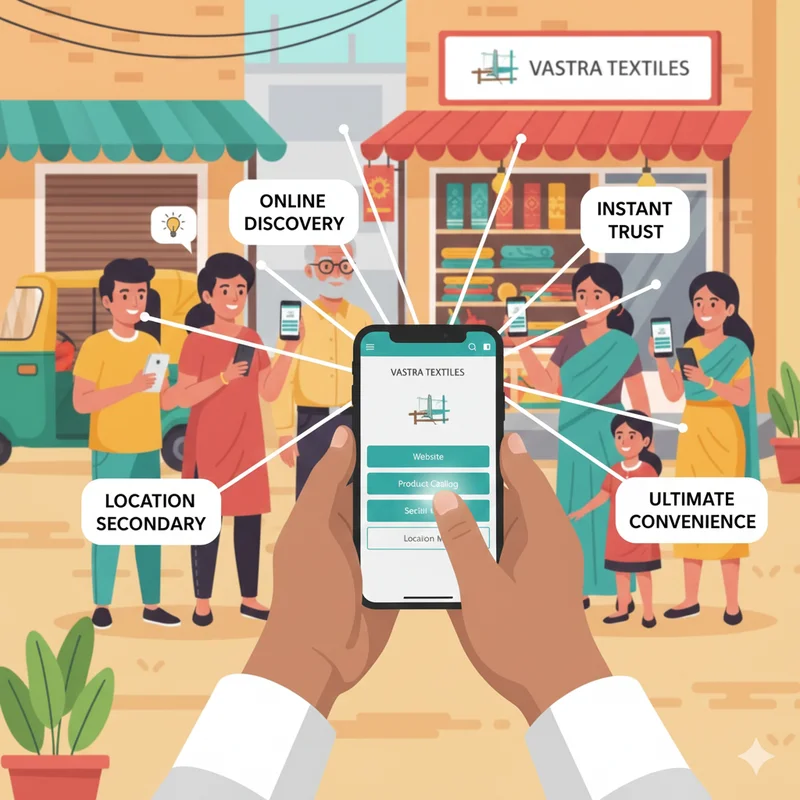
Walk down any busy market street in India and you’ll see shops buzzing with customers. But you’ll also notice more and more people browsing their phones, checking prices, and even ordering products online while standing near a store.
This shift has raised an important question for small shop owners: Should we have an e-commerce option?
The short answer is yes, but with the right strategy. E-commerce doesn’t have to replace your physical shop. Instead, it can work alongside it to attract more customers and increase sales.
In this article, we’ll explore why small shops should consider e-commerce, the challenges involved, and how to start in a way that fits your budget and time.
Why E-Commerce Matters for Small Shops
E-commerce isn’t just for big brands. Customers today expect convenience, and offering an online ordering option can set you apart from competitors.
Here’s why small shops should consider going online:
- Changing Customer Habits: More Indians are shopping online than ever, including in Tier 2 and Tier 3 cities.
- 24/7 Storefront: Your shop can make sales even when you’re closed.
- Wider Reach: You’re not limited to foot traffic—anyone with a smartphone can find you.
- Better Customer Loyalty: Repeat buyers love the option to reorder online.
Benefits of Having an E-Commerce Option
1. More Visibility
Having an online store helps you get discovered by people who may not pass by your shop physically.
2. Convenience for Customers
A busy customer might prefer to place an order online and pick it up later—saving them time.
3. Competing with Larger Platforms
Even though big players like Amazon and Flipkart exist, customers still value buying from trusted local stores. Your e-commerce option gives them a way to support local business without sacrificing convenience.
4. Customer Data Collection
When customers buy online, you collect information like their phone number, email, and preferences. This helps with future marketing campaigns.
Challenges Small Shops Face with E-Commerce
While e-commerce is powerful, it comes with challenges that small business owners should be aware of:
- Initial Setup Costs: Website development, payment gateways, and logistics have costs.
- Inventory Management: You need to keep online stock updated to avoid selling unavailable products.
- Delivery: If you offer home delivery, you need a reliable system.
- Learning Curve: Managing an online store requires basic digital skills.
Low-Cost Ways to Start Selling Online
The good news is you don’t need a fancy website or a huge budget to start. Here are practical ways small shops can test e-commerce:
1. WhatsApp Ordering
Many small shops now allow customers to place orders through WhatsApp. You can:
- Share a product catalog as images.
- Take orders and confirm via chat.
- Offer delivery or store pickup.
2. Social Media Sales
Use Instagram and Facebook to showcase products. Add a “Message” or “Shop Now” button so customers can contact you directly.
3. Listing on Local Marketplaces
Platforms like LocalShouts (https://www.localshouts.com) let you list your shop and showcase your products. This is an affordable first step before building a full e-commerce website.
4. DIY Website Builders
Tools like Shopify, Wix, and WordPress make it easy to set up an online store without heavy coding. Start small with 10-20 popular products.
How to Integrate Online and Offline Sales
The smartest small shop owners treat e-commerce as an add-on, not a replacement for their physical store.
Here’s how to balance both:
- Click & Collect: Let customers order online and pick up at the shop.
- Exclusive Online Offers: Use online deals to attract more digital orders.
- Offline Support: Customers can come to your shop for exchanges or questions, creating a trust factor.
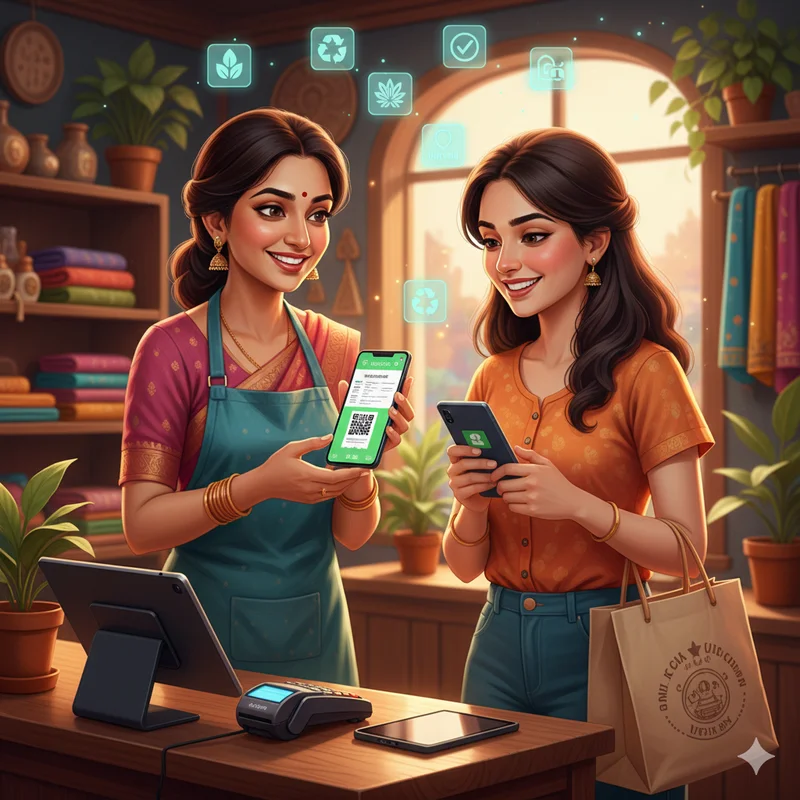
- Promote Online Store Offline: Put QR codes on bills or at the counter linking to your online shop.
Case Study: A Local Kirana Store
A kirana shop in Pune started taking orders on WhatsApp during the pandemic. Customers loved the convenience, and even after reopening, the shop kept the system running.
Results after 6 months:
- 35% of monthly sales now come from WhatsApp orders.
- Reduced crowding in the store during peak hours.
- Stronger relationships with loyal customers.
This shows you don’t need a large budget—just a clear plan.
Key Things to Consider Before Launching E-Commerce
- Delivery Area: Decide how far you are willing to deliver.
- Payment Options: Offer UPI, cash on delivery, and card payments.
- Inventory Accuracy: Make sure listed products are available.
- Customer Service: Be ready to handle online questions quickly.
Long-Term Benefits of Having an E-Commerce Option
Even if it starts small, an online presence can grow with your business. Over time:
- You can expand your delivery area.
- Launch online-only promotions.
- Build a loyal customer database.
- Compete better with big brands while staying locally relevant.
How LocalShouts Can Help
If you’re not ready to build a full e-commerce website, start by listing your shop on LocalShouts (https://www.localshouts.com). Your listing will appear in local searches, display your contact details, and help customers find your shop online.
You can add product images, special offers, and links to WhatsApp—making it easier for customers to order from you.
Conclusion
E-commerce isn’t just the future—it’s already here. For small shops, having an online option is no longer a luxury; it’s becoming a necessity.
You don’t have to jump straight into a big, expensive platform. Start small—with WhatsApp, LocalShouts, or a simple online catalog. Test what works, and grow step by step.
The goal isn’t to compete with Amazon or Flipkart, but to make it easier for your loyal customers to buy from you—wherever they are.
FAQs
1. Is e-commerce expensive for small shops?
Not necessarily. You can start with free or low-cost tools like WhatsApp or social media before investing in a full website.
2. Do I need technical knowledge to sell online?
Basic digital skills are enough. Platforms like Shopify or Wix are beginner-friendly.
3. Can I manage both offline and online sales alone?
Yes, start with a small online catalog and grow gradually as you get comfortable.
4. What if I can’t offer delivery?
You can offer online ordering with in-store pickup—customers still appreciate the convenience.
5. Will e-commerce replace my physical shop?
No. E-commerce works best when it supports your shop, not replaces it.
6. How does LocalShouts help?
LocalShouts (https://www.localshouts.com) gives your shop an online presence quickly and helps customers find you, message you, and visit your store or place orders.